Have you ever experienced the occurrence of dark spots on your skin that remain present for several months together? Or have you noticed that some areas of your skin are darker than the other parts of your skin? The issue of uneven skin tone and dark spots is one of the most common skin problems faced by all people, irrespective of their age group or gender. With the availability of various kinds of treatments for hyperpigmentation, many people wonder whether there is a natural way to reduce these dark patches and when hyperpigmentation treatment for dark skin may become necessary.
In order to treat hyperpigmentation on dusky or darker skin, the most important thing to do is to identify the exact reason behind the occurrence of such a condition. Only when this step is taken does it become much easier to follow the right skincare techniques.
What Is Hyperpigmentation and Why Does It Affect Dark Skin?
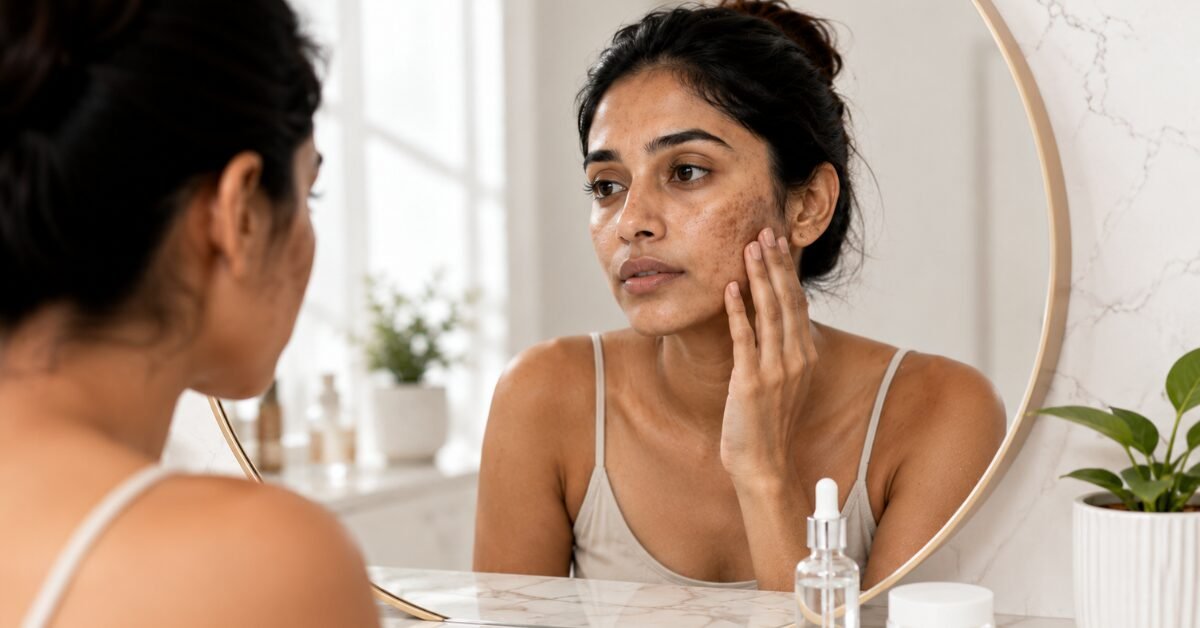
Hyperpigmentation is an issue in which too much melanin is formed in specific regions of the skin compared to other regions. Melanin is responsible for giving color to our skin. Once the level of melanin rises in a particular region of the body, that area turns out to be darker.
Individuals with a dark complexion naturally possess a higher level of melanin. Because of this factor, they become more prone to suffer from pigmentation issues after acne, skin irritation, small injuries, and excessive exposure to the sun’s rays. Thus, brown skin hyperpigmentation can be easily recognized in comparison to others.
Even though hyperpigmentation does not pose any threat to one’s health, it may damage the individual’s self-confidence.
What Causes Brown Skin Hyperpigmentation?
There could be various factors contributing to the appearance of skin pigmentations. The knowledge about the factors will certainly be the key to treating this issue effectively.
Possible reasons for the development of the condition could include:
- Sun exposure
- Acne scars
- Hormonal fluctuations
- Skin injuries and irritations
- The effects of certain medications
- Poor skin care
The slightest inflammatory reaction can result in excessive melanin production by the skin in individuals with dark complexions. Due to this fact, brown skin hyperpigmentation might be a consequence of acne, bug bites, and even some cosmetology treatments.
Fortunately enough, most kinds of skin pigmentations could be treated effectively by means of appropriate skin care.
Can Hyperpigmentation Be Treated Naturally?
Natural methods can help reduce light pigmentation and keep the skin healthy. However, the expectations related to this need to be realistic.
Hyperpigmentation treatment for dark skin is not an overnight solution. It takes time for the skin to regenerate itself, and it may take several weeks or months to see visible changes.
The natural process will be more effective in case of:
- Light pigmentations
- The major contributing factor is under control
- Regular sun protection
- Avoid irritating the skin
However, sometimes deeper pigmentations, melasma, or dark pigmented spots may need professional assistance.
In such cases, a professional approach to hyperpigmentation treatment for dark skin can help address stubborn pigmentation more effectively.
Natural Ways to Help Improve Hyperpigmentation
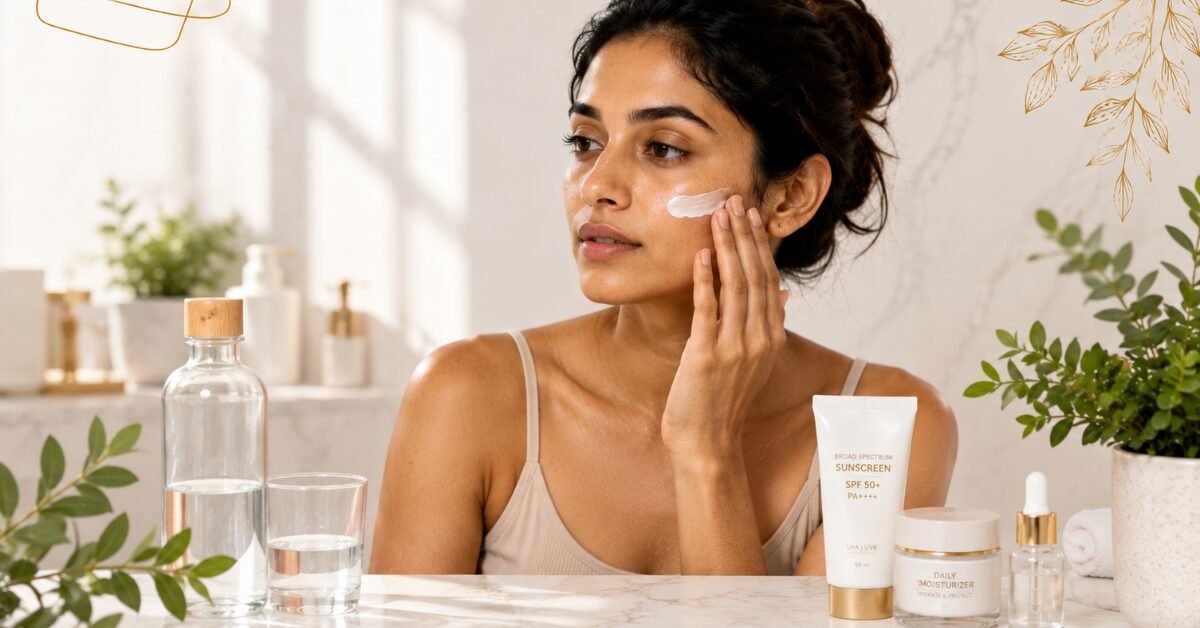
Use sunscreen daily
If there is one habit that matters more than anything else for managing pigmentation, this is it. Sun exposure directly stimulates melanin production, which means existing dark spots get darker and new ones keep forming. A broad-spectrum sunscreen used consistently every morning does two things at once: it stops existing pigmentation from worsening and prevents new patches from appearing in the first place.
Adopt a gentle skincare routine
Too much scrubbing can irritate the skin and lead to pigmentation.
Instead of:
- Use gentle cleansers
- Limit yourself from over-exfoliating
- Choose products according to your skin
- Do not change products frequently
Often, it is the easier skincare routines that work.
Add Antioxidant-Rich Ingredients to Your Routine
Some ingredients genuinely earn their place in a pigmentation-focused routine. Vitamin C, niacinamide, and green tea extracts are among the most well-researched options available, and for good reason. They work by protecting the skin from everyday environmental damage while gradually improving overall tone, clarity, and glow. Not overnight, but consistently and meaningfully over time.
Stay Hydrated
Hydrated skin simply performs better. It recovers faster from irritation, maintains a stronger protective barrier, and responds more effectively to whatever else you are putting on it.
Drinking enough water daily and using a moisturiser suited to your skin type are small habits that quietly make a bigger difference than most people give them credit for.
Avoid picking pimples
This one is hard to follow but genuinely important. Every time you press, squeeze, or repeatedly touch a pimple, you are pushing inflammation deeper into the skin and almost guaranteeing a dark mark in its place.
Letting a pimple heal on its own is always the better choice, especially for darker skin tones where post-inflammatory pigmentation can linger for months.
When Natural Remedies May Not Be Enough
Although natural remedies can be helpful in many cases, they also have their limitations.
Some types of pigmentation may persist despite proper skincare, such as:
- Melasma
- Deep acne scars
- Long-standing dark spots
- Recurring pigmentation
- More sun damage
In some cases, a customised skin brightening treatment may also be recommended to help improve uneven skin tone and restore overall radiance.
The aim is not just to lighten the skin but to improve its clarity and natural tone.
What Professional Treatments Are Available for Hyperpigmentation?
Treatment is chosen according to the type, depth, and cause of pigmentation.
Some common treatment options include:
Chemical Peels
These help in the renewal of skin cells and may be helpful in gradually reducing some types of pigmentation.
Medical Facials
Some professional facials help in improving the quality and glow of the skin.
Laser Treatments
Laser treatment under expert supervision may be beneficial for some types of pigmentation.
Skin Brightening Treatment
A personalized skin brightening treatment can help improve uneven complexion and make skin look more radiant. The treatment plan is always tailored to the individual’s skin and needs.