
Summer sounds fun until your skin starts reacting to it.
This week your skin looks oily. The next week, it might look dry and dull or even uneven. Simple things like going for a walk in the summer might end up tanning and irritating your skin. And for anyone already suffering from conditions like acne and hyperpigmentation, summers only exacerbate their problems.
In reality, the heat in India can be brutal on the skin. All these factors combined make for an ideal breeding ground for tanning, breakouts, and inflamed and acne-prone skin.
However, it is entirely possible to keep your skin healthy in the summer months by following the right summer skincare tips and maintaining a consistent skin care routine.
There is no need for complex ten-step regimes that involve several expensive products. In most cases, a simple regime, where you know what your skin requires in the summers and the kind of products it requires, is all that is required to keep it healthy.
As Dr. Geeta Grewal says, the worst skincare mistake one can make in the summer months is being overly aggressive with dehydrated and stressed skin. One of the major aims at 9Muses Wellness Clinic is to keep the skin balanced while avoiding any kind of damage that could lead to conditions like pigmentation, inflammation, or premature aging.
The basic requirements of a good summer skincare regime include protecting the skin barrier, reducing excess oil production, keeping skin hydrated, and preventing UV damage that may eventually require professional skin pigmentation treatment.
Reasons Why Summer is Hard on Your Skin
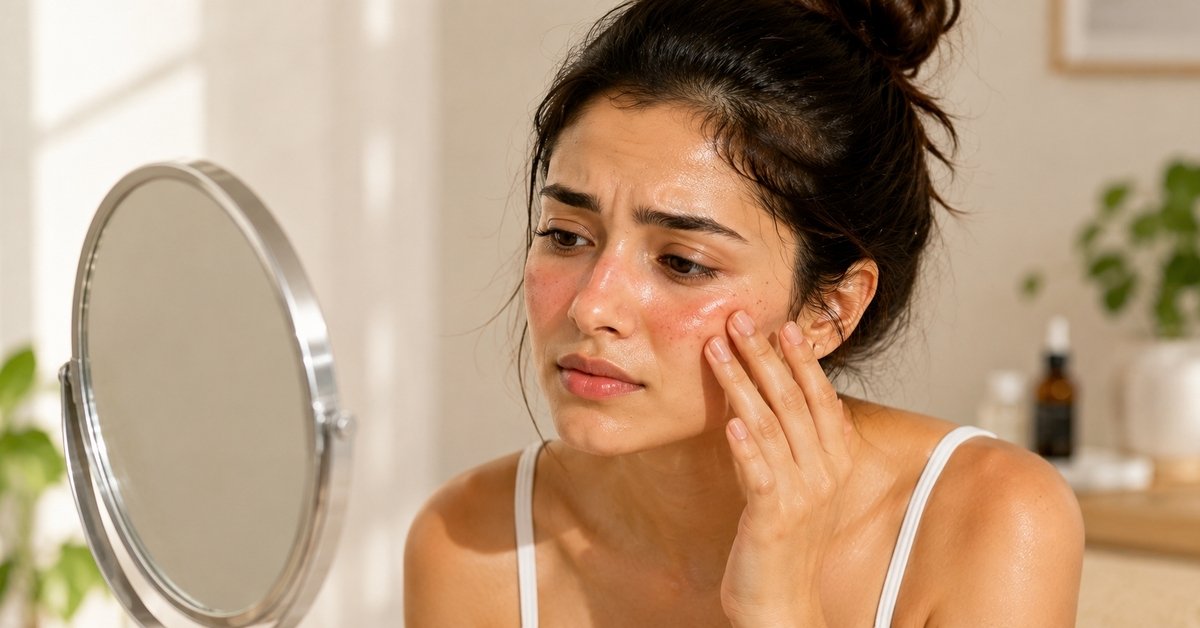
Summer is an extremely tough season for your skin.
The heat prompts your body to produce more oils, which when mixed with sweat, grime, pollutants, sunscreen and dead cells tends to clog the pores causing acne, roughness and skin congestion.
Besides that, intense UV rays trigger excessive melanin production which causes the following conditions in your skin:
- Tanning
- Uneven skin tone
- Pigmentation
- Sun spots
- Premature ageing
Another challenge you will encounter during the summer is dehydration, yet many people don’t even realize that their skin becomes dehydrated in summer. Your skin may become oily yet dehydrated at the same time.
That’s what the combination of dehydration and excessive sebum production causes.
This is why you should be careful about your skin hydration and sun protection.
Sunscreen Is the Most Crucial Skincare Step in Summer
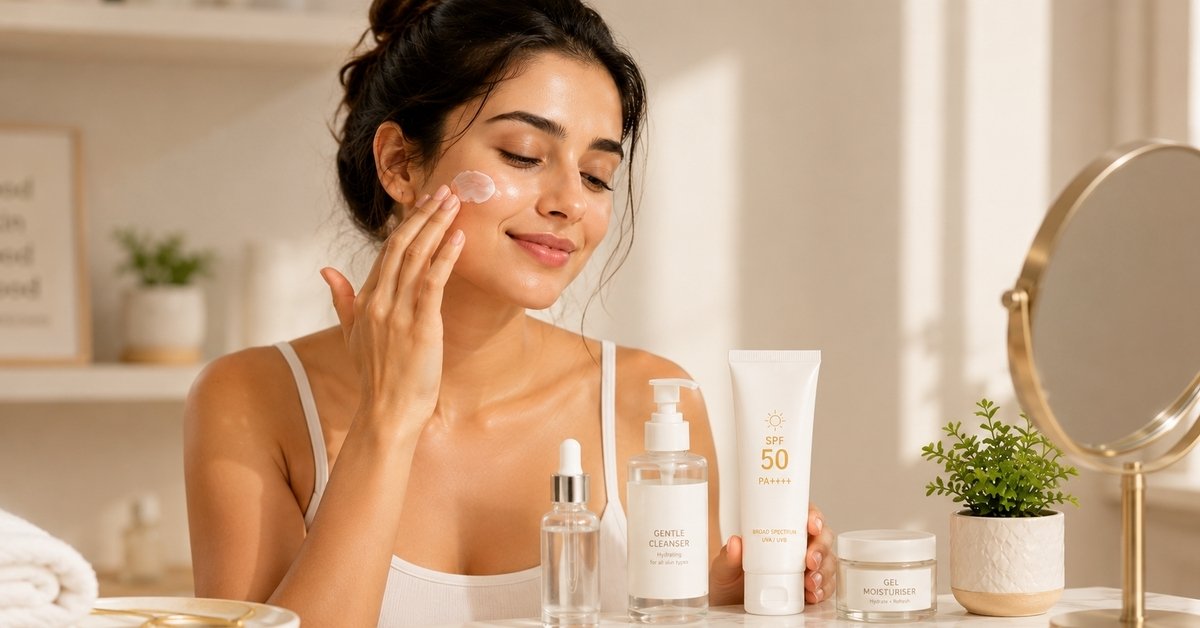
If there is one skincare product that you must always use in summer, then sunscreen is it.
Many of us think that we need sunscreen only when we are on a holiday trip or at the beach. However, even regular daily exposure to the sun is equally damaging to your skin.
Regular exposure to the sun can have the following negative impacts on your skin:
- Pigmentation
- Sunburns
- Formation of fine lines and wrinkles
- Skin texture
- Loosening of skin
- Hyperpigmentation and tan
One can consider using a broad-spectrum sunscreen with an SPF of 30+ to provide protection from both UVA and UVB.
As mentioned by Dr. Geeta Grewal, sunscreen is not just about giving temporary protection against tanning but is highly effective in maintaining the quality of skin.
Some healthy sunscreen practices include the following:
- Apply sunscreen 15–20 minutes before sun exposure
- Apply frequently if staying in the sun for a long time
- Apply generously; don’t apply too little
- Do not forget the neck, ears, and hand areas
No, sunscreen will not darken your skin. Not using it will.
Hydration Is More Important Than You Think
Dehydration causes problems for your body all summer long as a result of sweating, which affects your skin.
If your skin seems dull, irritated, tight, or tired, chances are you’re dehydrated and not simply lacking oil.
One of the easiest tips for taking care of your skin in summer is actually pretty straightforward:
Drink plenty of water consistently during the day.
In addition to drinking water, you can also use food items that contain lots of water, such as:
- Watermelon
- Cucumber
- Coconut water
- Citrus fruits
Some ingredients that can hydrate your skin without causing grease include:
- Hyaluronic acid
- Aloe vera
- Glycerin
- Vitamin E
Gel moisturizers are ideal in hot weather.
Quit Overwashing Your Face
One reason why many individuals overwash their face throughout the summer is due to excessive sweat and greasy skin. However, doing this too much tends to aggravate the skin barrier and may increase oil secretion as well.
Your skin needs those natural oils for protection.
All you need is a mild cleanser applied twice a day, which will be sufficient for cleansing away:
- Sweat
- Pollutants
- Grease
- Excessive sunscreen
Steer clear of overly strong soaps that make your skin feel excessively dry after use.
Moisturizer Remains Important Even in the Summer
It is a common misconception during summer time that skin which is naturally oily does not require moisturizing.
On the contrary, all skin types need moisture.
If the skin is deprived of moisture, it tends to produce even more oil as a compensating measure. This is one of the reasons why there are individuals who experience oily skin when they avoid using moisturizers.
In summers, the use of thick moisturizers may not be a good idea, hence:
- Gel moisturizers
- Moisturizers which contain water
- Light formulations
Benefits of Exfoliation But Too Much May Harm Your Skin
Summer can cause accumulation of dead skin cells, sweat, traces of sunscreen, and sebum.
Regular exfoliation will help maintain healthy skin texture.
However, too much exfoliation can be one of the worst mistakes you can make in the summer.
The risks include:
- Redness
- Increased sensitivity
- Irritation
- Breakouts
- Sun sensitivity
Most people should use exfoliation no more than two times a week.
Products containing salicylic or lactic acids are better than harsh scrubbing agents.
Your Diet Too Says Much About Your Skin
Skincare is not confined just to skincare products alone.
Foods that have too much sugar content and bad fats, for instance, can cause inflammation, which can lead to acne formation, particularly when it’s hot outside.
On the other hand, there are antioxidant-rich foods that aid in promoting good skin health from the inside out.
They are:
- Fruits
- Vegetables
- Seeds and nuts
- Herbal teas
- Coconut water
Wearing Heavy Makeup May Make Summer Breakouts Worse
In hot and humid conditions, wearing too much makeup combined with sweat and oil may clog pores more often.
You are not required to completely avoid using makeup, but going for something lighter might make things easier for you during summer.
For instance:
- Lightweight foundations
- Tinted moisturisers
- Breathable makeup formulas
And above all, never forget to clean your face thoroughly before bedtime.
When Professional Skin Pigmentation Treatment Becomes Necessary
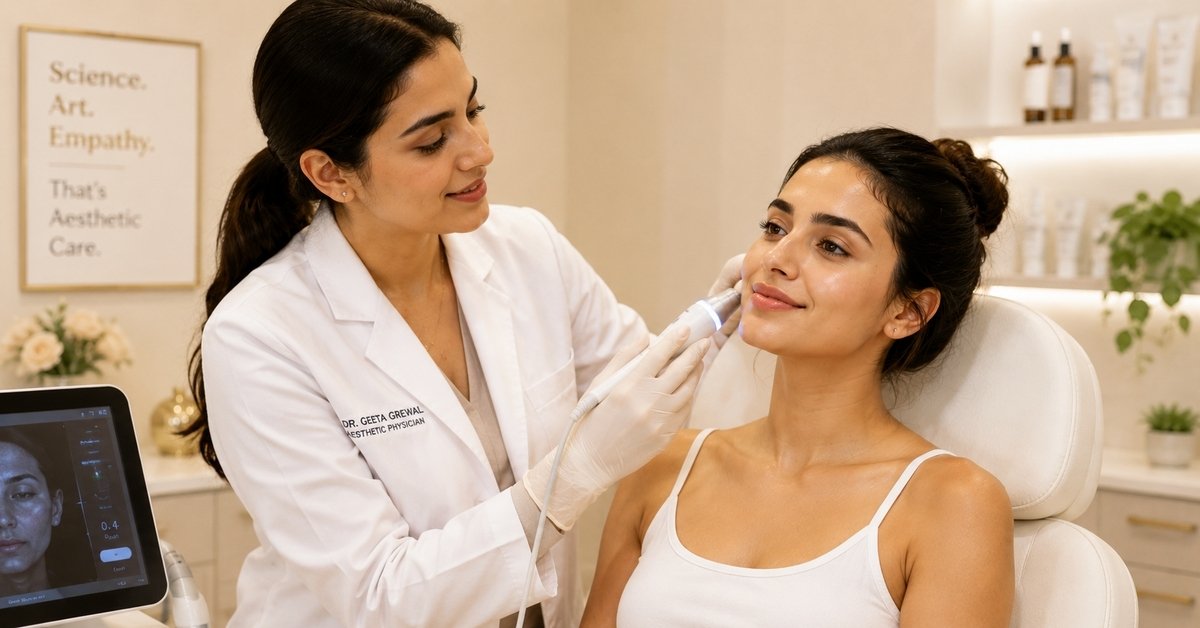
In some cases, at-home skin care might not be enough to address issues such as:
- Pigmentation problems
- Scarring from acne
- Irregular skin tone
- UV exposure
- Poor skin quality
If that is the case, professional skin pigmentation treatment along with customised skin care solutions may help improve your skin more effectively.
Here at 9Muses Wellness Clinic, we customize all our skin treatments based on the skin problem of the patient rather than giving the same treatments to all patients.
Skin treatments that might help you include:
- Skin rejuvenation procedures
- Hydration therapies
- Acne treatments
- Pigmentation correction treatments
- Professional exfoliation
- Advanced facial treatments
According to Dr. Geeta Grewal, any professional skin treatment should aim to give you healthy-looking skin rather than making your skin look artificially good.
Following cosmetologist-approved summer skincare tips and maintaining a consistent skin care routine can help reduce tanning, dehydration, breakouts, and the need for intensive skin pigmentation treatment later.
Conclusion
Though summer poses several challenges to the health of your skin, the correct practices can make a significant change.
The key to healthy skin during summer mostly lies in:
- Daily sun protection
- Proper hydration
- Gentle skincare products
- Avoiding over-exfoliation
- Supporting your skin barrier
- Following a consistent skin care routine
Although you can maintain good skin health at home, issues like stubborn skin pigmentation, acne marks, and signs of sun damage might sometimes need professional skin pigmentation therapy.
The dedicated team at 9Muses Wellness Clinic, led by renowned cosmetologist Dr. Geeta Grewal, offers bespoke skincare solutions designed to help maintain healthy, balanced skin throughout every season.