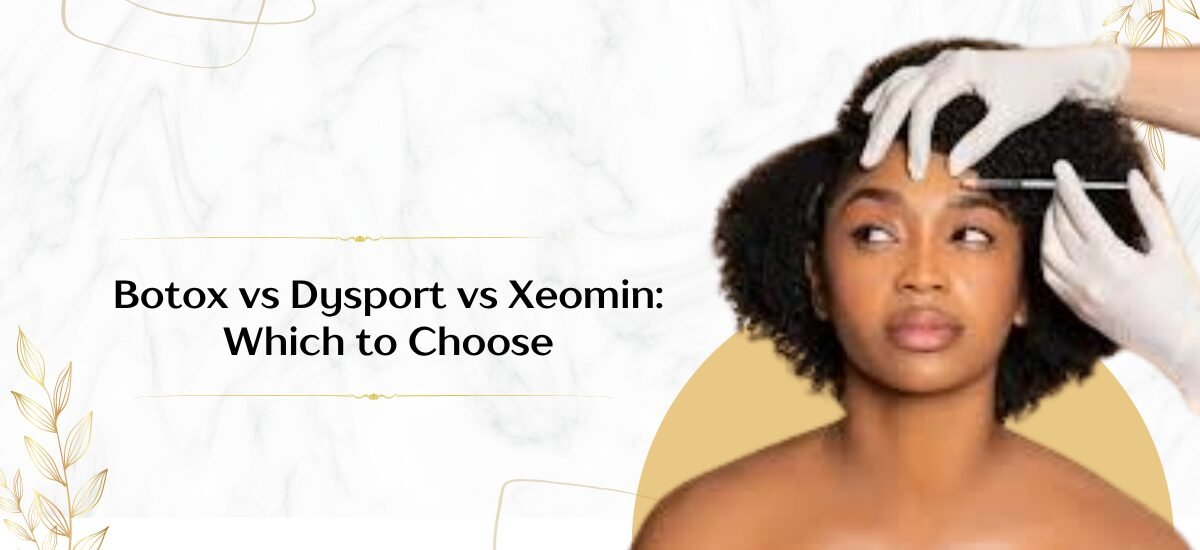
Botox vs Dysport vs Xeomin: Which to Choose

Botox, Dysport, and Xeomin are all botulinum toxin type A injectables that work by temporarily relaxing facial muscles. They are not interchangeable unit for unit. Each has a different protein formulation, onset speed, diffusion pattern, and dosing conversion, which means the right choice genuinely depends on the treatment area and the patient.

According to Dr. Geeta Grewal, Cosmetologist in Gurgaon,
“Patients often come in asking which one is best and the honest answer is that it depends on where we’re treating and what your muscles are actually doing, not on brand preference.”

What Is the Real Difference Between Botox, Dysport, and Xeomin?

All three block the same neuromuscular signal but the way they’re formulated changes how they spread, how quickly they work, and how the dose needs to be calculated, so they’re not just different names for the same thing.

  • Onset speed is different across all three: Dysport tends to kick in fastest, often within 24 to 48 hours, Botox typically takes 3 to 5 days to show full effect, and Xeomin sits somewhere in the middle, which matters more than people realise when there’s a deadline involved
  • Dysport spreads further from the injection point: Its smaller protein complex diffuses more widely through surrounding tissue, which makes it useful for larger areas like the forehead but less precise for small targeted zones where you don’t want spread
  • Xeomin has no accessory proteins: It’s sometimes called a “naked” toxin because the botulinum toxin isn’t complexed with other proteins the way it is in Botox and Dysport, which is relevant for patients who’ve developed a tolerance or antibody response to the other two
  • Dosing doesn’t convert 1 to 1: Roughly 2.5 to 3 units of Dysport equal 1 unit of Botox, and Xeomin is approximately unit-equivalent to Botox, so switching products without adjusting the dose is how results go wrong

Understanding what’s involved before booking is worth the time, and going through Botox treatment details gives a solid foundation for the conversation.

What Do You Actually Do to Prepare, Not Just Avoid?

The answer depends on the area being treated, your history with injectables, and a few patient-specific factors that only come out in a proper consultation, but there are some useful general patterns.

  • Botox for precise or small areas: Crow’s feet, lip lines, under-eye bands all benefit from a product that stays close to the injection point rather than spreading, and Botox’s more contained diffusion pattern makes it the more reliable choice here
  • Dysport for large flat areas like the forehead: When you want even relaxation across a wide surface without multiple injection points, Dysport’s diffusion works in your favour rather than against it, and the faster onset is useful for patients with time-sensitive events
  • Xeomin worth considering if previous products stopped working: A small number of patients develop neutralising antibodies to the accessory proteins in Botox or Dysport over time, and switching to Xeomin sometimes restores responsiveness because those proteins aren’t present
  • Combination approaches are common in practice: Experienced practitioners often use Dysport in the forehead and Botox in smaller periorbital areas within the same session rather than treating the whole face with one product, because the diffusion properties that are an advantage in one area are a liability in another

Patients thinking about injectable history and safety considerations often find the Botox safety guide useful reading alongside this.

Dr. Geeta Grewal will assess your skin personally and create a treatment plan tailored to where you are right now. No pressure, no upselling — just honest, expert guidance from Gurgaon’s most trusted aesthetic clinic.

Why Choose 9Muses Wellness Clinic

Dr. Geeta Grewal is a board-certified cosmetologist and master trainer with hands-on experience across all three botulinum toxin products, which means she chooses based on what the area actually needs rather than what the clinic happens to stock. Product selection gets discussed at every consultation before anything is booked because the difference between a good result and a mediocre one often comes down to that single decision. Patients here don’t get asked which brand they want. They get told which one makes clinical sense for their face and why.

📞 Call Now: +91 95996 51188

Your Skin Deserves Expert Care — Not Guesswork.

Whether you are new to aesthetic treatments or looking to elevate your current routine, the team at 9 Muses is here to guide you with complete transparency. Dr. Geeta Grewal personally oversees every treatment plan at this aesthetic clinic in Gurgaon.

Still have questions on your mind? Let’s clear them up with some commonly asked FAQs.

FAQ

Is Botox stronger than Dysport or Xeomin?

No, all three contain botulinum toxin type A but differ in formulation and diffusion pattern

Approximately 2.5 to 3 units of Dysport equal one unit of Botox.

Yes, but the dose must be recalculated as units are not equivalent across all three products.

Dysport typically shows results within 24 to 48 hours, faster than Botox or Xeomin.

References:

  1. FDA on botulinum toxin products
  2. AAD on Botox and neuromodulators

Disclaimer: The information shared in this content is for educational purposes only and not for promotional use.
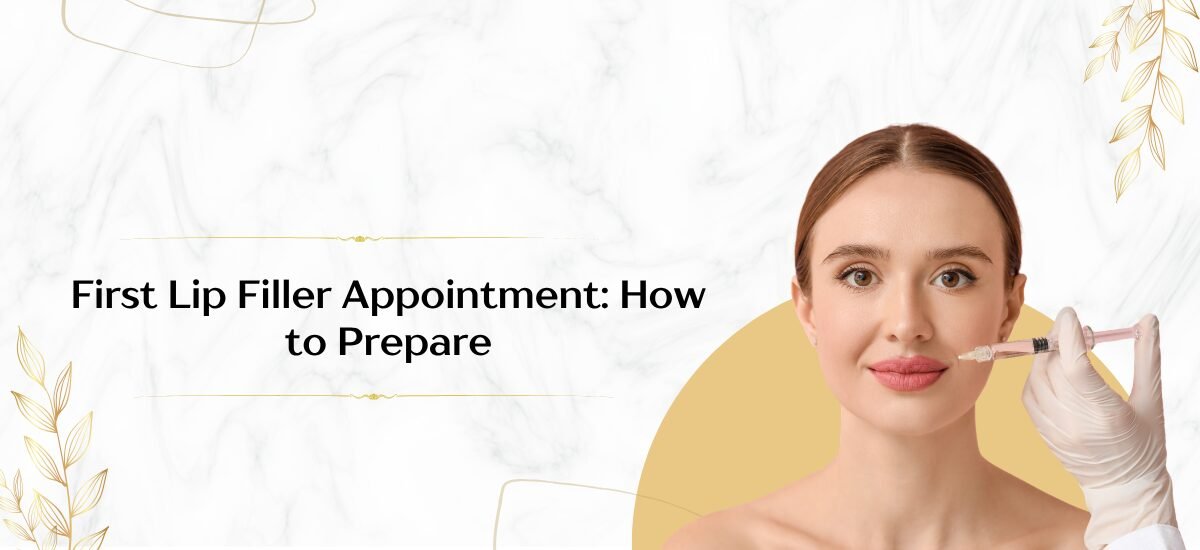
First Lip Filler Appointment: How to Prepare

First-time lip filler patients bruise and swell more than returning ones, and most of that difference traces back to the 48 hours before the needle goes anywhere near them. Blood thinners, alcohol, certain supplements, and even cycle timing all affect how tissue responds. None of it is complicated to manage if you know what to watch for.

According to Dr. Geeta Grewal, Cosmetologist in Gurgaon,
“First-timers almost always come in unprepared and then ask why the swelling took so long to go down, the preparation window matters more than most people realise.”

What Does Full Face Filler Actually Involve?

Look, nobody tells you this stuff upfront. Most clinics send a one-line aftercare note and call it preparation. The reality is that what goes into your body in the two to three days before the appointment has a direct and measurable effect on how much you bruise.

  • Ibuprofen, aspirin, and naproxen for 48 hours before: These thin the blood in ways that make injection sites bleed more freely and bruising spread further, and patients who skip this step reliably come out looking worse than ones who didn’t
  • Alcohol is a bigger problem than most people expect: It dilates blood vessels and acts as a blood thinner at the same time, so the glass of wine the night before that feels like no big deal consistently shows up as extra swelling the next morning
  • Fish oil, high-dose vitamin E, vitamin C supplements: Most patients don’t know these have blood-thinning properties, stopping them 3 to 5 days out makes a real difference to bruising outcomes, not a dramatic one but a consistent one
  • Book away from your period if you can: Pain threshold drops and skin sensitivity goes up in the days around menstruation, and scheduling mid-cycle means the same session that might feel uncomfortable at one point in the month feels much more manageable at another

Reading through lip fillers in detail before the appointment means the consultation covers actual decisions rather than basic explanations.

What Do You Actually Do to Prepare, Not Just Avoid?

This half gets ignored entirely. Everyone talks about what not to do. But a few things you actively do before the session change how comfortable it is and how well the result holds.

  • Water, more than usual, the day before: Hydrated tissue takes filler more evenly and swells less afterward, it sounds too simple to matter but practitioners notice the difference in how the product distributes and it costs nothing
  • Eat before you go, roughly two hours out: Low blood sugar during an injectable session causes lightheadedness and occasionally vasovagal responses in first-timers, and a proper meal beforehand removes that risk without requiring any effort
  • Bring reference images but hold them loosely: Not as a prescription, more as a starting point for the conversation, because the gap between what patients imagine when they say “natural volume” and what they actually mean is often surprisingly wide until there’s a picture involved
  • Don’t apply numbing cream you bought yourself: Over-the-counter anaesthetics used incorrectly swell the lip before any product goes in and distort the anatomy the practitioner is trying to assess, clinics that care about placement use their own numbing protocol for exactly this reason

And going through lip augmentation options beforehand means you walk in knowing the difference between approaches rather than finding out about it mid-session.

Dr. Geeta Grewal will assess your skin personally and create a treatment plan tailored to where you are right now. No pressure, no upselling — just honest, expert guidance from Gurgaon’s most trusted aesthetic clinic.

Why Choose 9Muses Wellness Clinic

Dr. Geeta Grewal is a board-certified cosmetologist who trains practitioners across India in first-time patient protocols, which is a specific thing, because what first-timers need from a consultation is genuinely different from what returning patients need and most clinics don’t distinguish between the two. Patients here get a preparation checklist before the appointment date, not handed to them at the door on the way in. The difference in outcomes between prepared and unprepared first-timers is consistent enough that the preparation conversation is now just part of how bookings work here.

📞 Call Now: +91 95996 51188

Your Skin Deserves Expert Care — Not Guesswork.

Whether you are new to aesthetic treatments or looking to elevate your current routine, the team at 9 Muses is here to guide you with complete transparency. Dr. Geeta Grewal personally oversees every treatment plan at this aesthetic clinic in Gurgaon.

Still have questions on your mind? Let’s clear them up with some commonly asked FAQs.

FAQ

How far in advance should I prepare for my first lip filler session?

Start preparation at least 48 to 72 hours before the appointment date

Arrive without lip products so the practitioner can see your natural lip clearly.

Yes, it is very common and the numbing applied beforehand significantly reduces discomfort.

Swelling clears within 3 to 7 days and the full result is visible by two weeks.

References:

  1. AAD on dermal fillers
  2. FDA on injectable soft tissue fillers

Disclaimer: The information shared in this content is for educational purposes only and not for promotional use.

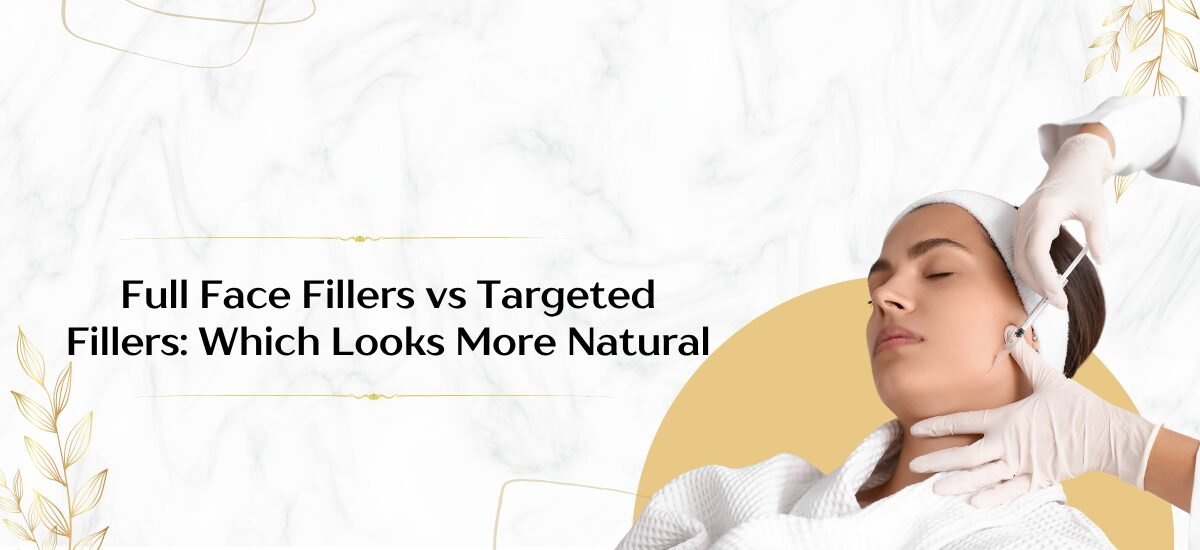
Full Face vs Targeted Fillers: Which Looks Natural

Full face filler treatment places product across multiple facial zones in a single plan, typically cheeks, jawline, temples, and under-eyes together. Targeted treatment addresses one or two specific concerns only. Both use the same hyaluronic acid products, but the outcomes they produce and the patients they suit are genuinely different.

According to Dr. Geeta Grewal, Cosmetologist in Gurgaon,
“The question of which looks more natural almost always comes down to how much the patient’s face actually needs versus how much they think they want.”

What Does Full Face Filler Actually Involve?

Full face treatment isn’t one injection it’s a coordinated plan across multiple zones designed so each area supports the others, which sounds logical but only works when the starting point is a face that genuinely needs volume restored across several areas at once.

  • Works best for significant volume loss: Patients in their 40s and 50s who’ve experienced real fat pad atrophy across the midface, temples, and jawline simultaneously are the ones who benefit most, because correcting one zone without the others can actually look unbalanced
  • Requires more product and more precision: Each zone has different tissue depth, different filler consistency requirements, and different swelling patterns post-treatment, so a full face plan done well is considerably more complex than it sounds in a consultation
  • Risk of an overdone result is higher: More product across more zones means more ways for something to look slightly off, and patients who didn’t actually need full face treatment are the ones who end up looking constructed rather than refreshed
  • Recovery takes longer to read: With multiple zones swollen at once, the final result isn’t really visible until two to three weeks out, which catches some patients off guard when they expect to see the finished look immediately

Patients comparing approaches usually find it worth reading about dermal fillers in detail before deciding anything.

Why Do Targeted Fillers Often Look More Natural?

Targeted treatment tends to produce more natural results because it works with what the face already has rather than trying to restore everything at once, and less product in fewer zones means there’s simply less that can go visibly wrong.

  • Addresses what’s actually bothering the patient: Most people who think they want full face fillers have one or two specific concerns a hollow under the eyes, a flat midface and fixing just those things often delivers 80 percent of the result they were imagining at a fraction of the risk
  • Proportions stay recognisable: When only one or two features are adjusted, the rest of the face continues doing what it always did, so the overall result reads as the same person looking well-rested rather than the same person who’s clearly had something done
  • Easier to build on over time: Starting targeted and adding more at a later session based on how the first result settled is a much lower-risk approach than placing volume everywhere at once and trying to correct afterward if something looks off
  • Swelling is localised and resolves faster: One zone swollen for 48 hours is a different experience to the face-wide puffiness that comes with a full plan, and patients typically feel comfortable going out much sooner after a targeted session

Many patients exploring targeted options start with something like under eye treatment before deciding whether anything else is needed.

Dr. Geeta Grewal will assess your skin personally and create a treatment plan tailored to where you are right now. No pressure, no upselling — just honest, expert guidance from Gurgaon’s most trusted aesthetic clinic.

Why Choose 9Muses Wellness Clinic

Dr. Geeta Grewal is a board-certified cosmetologist who trains practitioners across India in facial assessment and injectable planning, and her approach to this specific question is that most patients who come in asking for full face fillers leave with a targeted plan because that’s what their face actually called for once the consultation was done properly. She doesn’t sell comprehensive treatment when focused treatment is the right answer. Patients here leave knowing what was done, why it was done that way, and what the next step would be if they ever want more. No guesswork on their end.

📞 Call Now: +91 95996 51188

Your Skin Deserves Expert Care — Not Guesswork.

Whether you are new to aesthetic treatments or looking to elevate your current routine, the team at 9 Muses is here to guide you with complete transparency. Dr. Geeta Grewal personally oversees every treatment plan at this aesthetic clinic in Gurgaon.

Still have questions on your mind? Let’s clear them up with some commonly asked FAQs.

FAQ

Which type of filler treatment looks more natural for most patients?

Targeted fillers typically look more natural as less product is placed in fewer areas.

Patients with significant volume loss across multiple facial zones simultaneously.

Yes, building gradually over sessions is safer and easier to control than treating all at once

Full face swelling typically takes two to three weeks to fully resolve.

References:

  1. AAD on dermal fillers
  2. FDA on soft tissue fillers

Disclaimer: The information shared in this content is for educational purposes only and not for promotional use.
Filler Fatigue: Signs It Is Time to Dissolve Your Fillers

Filler fatigue refers to the cumulative distortion that develops when hyaluronic acid filler is repeatedly added over time without adequate dissolution of older product. The face begins to look heavy, overfilled, or structurally uneven. It’s not a sudden change and most patients don’t notice until someone else points it out.

According to Dr. Geeta Grewal, Cosmetologist in Gurgaon,
“Filler fatigue usually isn’t the result of one bad session it builds when top-ups keep getting added without reassessing what’s already sitting in the tissue.”

What Are the Signs That Your Fillers Need Dissolving?

The face tells you. Most patients just don’t know what to look for, or they’ve adjusted to the gradual change in a way that makes it harder to see objectively.

  • The face looks consistently puffy or heavy at rest: Not just swollen after a session but persistently full in a way that doesn’t resolve, usually because accumulated product has spread beyond its original placement over multiple sessions
  • Features that used to look natural now look constructed: Cheeks that appear shelf-like, lips that look like a separate feature rather than part of the face, or a jawline that seems disproportionate these are all signs the volume has outpaced the underlying structure
  • Filler is visible or palpable under the skin: You shouldn’t be able to feel hard ridges or see movement when the face is still, and if either of those things is happening, older product is almost certainly sitting at the wrong depth
  • New sessions stop giving the result you came for: If the same treatment keeps requiring more product for a diminishing return, that’s usually a signal you’re working on top of filler that should have been cleared first

Patients who suspect this is happening often find it useful to read about dermal fillers properly before deciding what the next step should actually be.

What Happens When You Dissolve Filler and Should You Be Worried?

Dissolving is straightforward. Hyaluronidase is injected into the treated area and breaks down the hyaluronic acid over 24 to 48 hours. The face returns to its own structure. That part sounds simple, but there’s a detail most patients don’t expect.

  • It’s faster than you think: The majority of filler dissolves within a day or two, and the face settles to its baseline within one to two weeks, which is quicker than most patients anticipate and sometimes a relief
  • The face underneath is still your face: Some patients worry the dissolution will leave them looking deflated or worse than before they started fillers, but what they’re actually seeing afterward is just their own facial structure, which was there the whole time
  • Bruising and swelling are mild and brief: Hyaluronidase injections cause minor localised swelling for 24 to 72 hours in most patients, less uncomfortable than a filler session and with a faster recovery
  • You don’t have to redo everything immediately: Waiting 2 to 4 weeks after dissolving before any new filler is placed gives the tissue time to settle and the practitioner a proper baseline to assess from rushing straight back in defeats the purpose

And for anyone thinking about what options make sense after dissolving, the lip augmentation comparison covers the different approaches clearly.

Dr. Geeta Grewal will assess your skin personally and create a treatment plan tailored to where you are right now. No pressure, no upselling — just honest, expert guidance from Gurgaon’s most trusted aesthetic clinic.

Why Choose 9Muses Wellness Clinic

Dr. Geeta Grewal is a board-certified cosmetologist and master trainer who regularly sees patients who’ve been adding filler for years without anyone suggesting they take stock of what’s already there. She assesses existing product before every treatment and will recommend dissolution when it’s the right clinical call, even when the patient came in for a top-up.

📞 Call Now: +91 95996 51188

Your Skin Deserves Expert Care — Not Guesswork.

Whether you are new to aesthetic treatments or looking to elevate your current routine, the team at 9 Muses is here to guide you with complete transparency. Dr. Geeta Grewal personally oversees every treatment plan at this aesthetic clinic in Gurgaon.

Still have questions on your mind? Let’s clear them up with some commonly asked FAQs.

FAQ

What is filler fatigue?

Filler fatigue is cumulative facial distortion caused by repeated filler without clearing older product.

Most filler breaks down within 24 to 48 hours after hyaluronidase treatment.

No, the face returns to its natural baseline structure after dissolution.

Most practitioners recommend waiting 2 to 4 weeks before adding any new filler.

References:

  1. AAD on dermal fillers and dissolving
  2. FDA on soft tissue fillers

Disclaimer: The information shared in this content is for educational purposes only and not for promotional use.

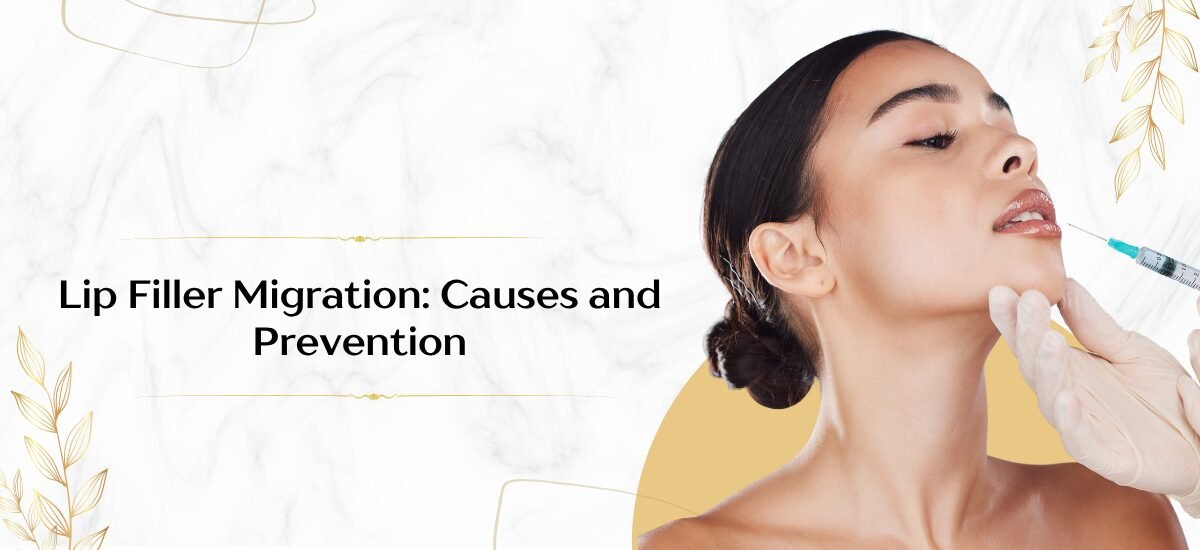
Lip Filler Migration: Causes and Prevention

Lip filler migration happens when hyaluronic acid moves beyond the vermilion border into the surrounding perioral tissue. It doesn’t appear suddenly. Most cases build across multiple sessions over months, driven by injection depth, product consistency, and cumulative volume rather than filler shifting on its own.

According to Dr. Geeta Grewal, Cosmetologist in Gurgaon, “Migration is almost never a one-session problem it accumulates when product is placed too superficially, or when volume gets added faster than the tissue can actually hold it.”

Why Does Lip Filler Migrate in the First Place?

Migration traces back to clinical decisions made during the injection, not to anything the patient does at home, and understanding which decisions matter most is what separates a practitioner who prevents it from one who causes it.

  • Too shallow, not deep enough: Filler sitting close to the skin surface has almost no structural tissue holding it in position, so everyday lip movement gradually pushes it upward and outward in ways that are slow enough to miss until the border is clearly blurred
  • Product that’s too fluid for lips: There are filler formulations designed for fine lines elsewhere on the face that simply don’t have the structural firmness lips need, and using them here means the product spreads rather than holds, which, honestly, is a preventable problem
  • Volume piling up over sessions: Each top-up adds to what’s already there, and once the tissue is at capacity the filler has to go somewhere, so it goes above the border — this is the pattern practitioners see most often in patients who’ve had repeated treatments at different clinics
  • High muscle activity in some patients: People with particularly active orbicularis oris muscles put more mechanical pressure on filler over time, nothing to fix, but something a good practitioner adjusts for when choosing product

Before anything gets injected, understanding what lip fillers actually involve makes the consultation far more useful.

How Do You Stop Lip Filler Migration from Happening?

Prevention sits almost entirely in two places what product gets used, and how much goes in at each session and neither of those is the patient’s job to manage.

  • Denser product resists movement better: High G-prime fillers (meaning they resist deformation) hold their position against the mechanical forces of lip movement in ways that thinner, more fluid products simply cannot, so product choice at consultation stage matters more than most patients realise
  • Space sessions out and use less: Rushing top-ups or adding volume before the previous product has settled or partially dissolved means you’re constantly working past the tissue’s natural capacity, which is the direct path to migration
  • Dissolve first if migration already exists: Layering new filler on top of product that’s already migrated makes the problem worse, not better hyaluronidase dissolves it cleanly and gives the practitioner a proper baseline to work from before anything new goes in
  • Assess before you inject, every time: Checking existing filler, lip anatomy, and muscle activity before each session is what good injection practice actually looks like, and skipping it is how clinics end up reactive rather than preventive

Reading about lip augmentation options puts product and technique decisions into a clearer context.

Dr. Geeta Grewal will assess your skin personally and create a treatment plan tailored to where you are right now. No pressure, no upselling — just honest, expert guidance from Gurgaon’s most trusted aesthetic clinic.

Why Choose 9Muses Wellness Clinic

Dr. Geeta Grewal is a board-certified cosmetologist who trains doctors across India in injection technique, and she’s worked with enough patients who’ve come in with accumulated migration from previous clinics to have built her consultations specifically around catching and stopping that pattern early. She doesn’t add product until she knows what’s already there. Patients who come in here with existing migration leave with a clear plan sometimes that’s dissolution first, sometimes it’s technique correction, sometimes it’s just spacing appointments properly. But they leave knowing what’s actually going on with their face.

📞 Call Now: +91 95996 51188

Your Skin Deserves Expert Care — Not Guesswork.

Whether you are new to aesthetic treatments or looking to elevate your current routine, the team at 9 Muses is here to guide you with complete transparency. Dr. Geeta Grewal personally oversees every treatment plan at this aesthetic clinic in Gurgaon.

Still have questions on your mind? Let’s clear them up with some commonly asked FAQs.

FAQ

What does lip filler migration look like?

Product appears above the lip border as a blurred or puffy outline beyond the natural edge.

Yes, hyaluronidase dissolves migrated hyaluronic acid filler cleanly and effectively.

It typically builds gradually across multiple sessions over months or years.

No, migration is not inevitable and is largely preventable with correct technique

References:

  1. AAD on dermal fillers
  2. FDA on soft tissue fillers
    Disclaimer: The information shared in this content is for educational purposes only and not for promotional use.
Botox Before Your Wedding: The Perfect Timing Guide for Brides

Botox takes 3 to 14 days to reach full effect and lasts approximately 3 to 4 months. For bridal use, most practitioners recommend a first session at least 4 to 6 months before the wedding, with a top-up 4 to 6 weeks before the date to allow full settling.

According to Dr. Geeta Grewal, Cosmetologist in Gurgaon,
“The brides who look best in their photos are the ones who started the conversation six months out, not six weeks.”

When Should You Actually Book Botox Before Your Wedding?

Timing Botox around a wedding isn’t just about picking a session slot — the first appointment is really a trial run, and the final result on the day depends entirely on what you learn from it.

  • Trial session first, everything else second: The first session shows how your muscles respond and what dose looks right on your face, which is information you cannot get any other way and that directly shapes what the top-up should be
  • 4 to 6 months out for first-timers: If you’ve never had Botox before, this buffer isn’t overcaution, it’s the minimum needed to assess response, adjust if anything looks off, and still have time for a proper top-up before the date
  • Top-up session 4 to 6 weeks before: Botox needs up to two weeks to fully settle and minor asymmetry needs time to even out, so arriving at the wedding with results that are 4 to 6 weeks old is genuinely the sweet spot
  • Never the final two weeks: Fresh Botox too close to the day means swelling, possible minor bruising, and uneven settling are all real risks that resolve on their own, just not by the wedding morning

Brides doing early research usually find it worth going through Botox treatment details properly so the first consultation actually moves somewhere useful.

What Actually Goes Wrong When Bridal Botox Timing Is Off?

Bad timing almost always shows up one of two ways the treatment is still settling on the day, or it wore off earlier than expected because the patient metabolised it faster than the average 3 to 4 month window.

  • Over-fresh Botox is visible in photos: Treatment injected within two weeks of the wedding may still be distributing through the muscle, and even subtle asymmetry or slight brow heaviness reads clearly in close-up photography
  • Faster metabolisers are a real category: Some patients clear botulinum toxin significantly quicker than average, which is exactly why the trial session months before matters, you genuinely need to know which kind of patient you are before you’re working against a deadline
  • Fillers carry more risk than Botox in this context: If you’re combining both, fillers need at least three weeks of clear recovery before any event, and that timeline has to be planned completely separately from the Botox schedule
  • Pre-wedding stress affects settling: Higher cortisol in the run-up to a wedding affects how the body processes injectables (not dramatically, but enough to matter), which is another reason finishing treatment well before that period starts makes clinical sense

And pairing injectable timing with a broader pre-wedding skin plan makes the whole process far less stressful the bridal treatments guide covers how everything fits together.

Dr. Geeta Grewal will assess your skin personally and create a treatment plan tailored to where you are right now. No pressure, no upselling — just honest, expert guidance from Gurgaon’s most trusted aesthetic clinic.

Why Choose 9Muses Wellness Clinic

Dr. Geeta Grewal is a board-certified cosmetologist and master trainer who works with enough bridal patients to know exactly where online timelines diverge from what actually holds up in practice. She builds the treatment plan around the wedding date from the very first consultation, not as an afterthought once a few sessions have already passed without a clear structure. Brides who start the process here six months out arrive on the day with results that have been tested, adjusted, and confirmed. The ones who came in six weeks out usually wish they hadn’t.

📞 Call Now: +91 95996 51188

Your Skin Deserves Expert Care — Not Guesswork.

Whether you are new to aesthetic treatments or looking to elevate your current routine, the team at 9 Muses is here to guide you with complete transparency. Dr. Geeta Grewal personally oversees every treatment plan at this aesthetic clinic in Gurgaon.

Still have questions on your mind? Let’s clear them up with some commonly asked FAQs.

FAQ

How far in advance should I get Botox before my wedding?

Most practitioners recommend starting 4 to 6 months before the wedding date.

No, first-time patients need extra time to assess their response and dose.

Full results appear within 3 to 14 days after the injection session.

Yes, a break doesn’t affect suitability or results for future treatment.

References:

  1. AAD on Botox and injectable treatments
  2. FDA on dermal fillers safety

Disclaimer: The information shared in this content is for educational purposes only and not for promotional use.
Stopped Botox or Fillers: What Really Happens to Your Face

When Botox wears off, treated muscles gradually recover movement and the lines those muscles create come back. When fillers dissolve, volume reduces over months as hyaluronic acid breaks down through normal bodily processes. The face returns to baseline. It doesn’t go somewhere worse.

According to Dr. Geeta Grewal, Cosmetologist in Gurgaon,
“Most patients imagine their face will fall apart if they stop, but what actually happens is far less dramatic than what they’ve been told to fear.”

What Really Happens When Your Botox Wears Off?

Stopping Botox isn’t a cliff edge. The muscles that were relaxed simply start contracting again, slowly, over 2 to 4 weeks, and the lines they produce come back to roughly where they were when you started, not further.

  • The transition is so gradual most people miss it: Botulinum toxin clears incrementally rather than all at once, which is why patients rarely point to a specific day when things changed
  • Your wrinkles don’t punish you for stopping: Lines return to their pre-treatment depth, full stop, there’s no rebound effect or accelerated aging built into the process
  • Long-term patients often keep a residual softness: Muscles that contracted less for years tend to stay a little quieter even after treatment ends, a detail most people aren’t told upfront
  • Stopping doesn’t undo structural work: Botox only ever acted on muscle movement, so any improvements in skin texture or hydration from other treatments stay completely unaffected

Patients who want the full picture before deciding anything usually start by reading about Botox treatment properly rather than going off what they’ve heard.

What About Stopping Fillers — Does the Face Actually Sag?

Yes. Botulinum toxin is FDA-approved for cosmetic use with decades of clinical data behind it, and the reduced doses used in Baby Botox fall well within studied safety parameters for healthy adults.

  • Collagen production isn’t touched: The treatment works entirely on muscle activity and has no effect on collagen, elastin, or skin hydration levels at any depth
  • Muscles recover normally between sessions: Lower doses wear off faster, which means the targeted muscles return to full function before the next appointment without any cumulative change in how they work
  • Side effect risk actually drops: Less product means less chance of bruising, asymmetry, or any unintended spread, and most patients in their 20s report almost no recovery time at all
  • Skill matters more than dose here: A practitioner who maps the facial muscles properly before injecting will consistently outperform one who guesses at placement regardless of how much product is used

And honestly, reading about the full range of Botox benefits before booking gives most patients a much clearer sense of what they’re actually asking for.

Dr. Geeta Grewal will assess your skin personally and create a treatment plan tailored to where you are right now. No pressure, no upselling — just honest, expert guidance from Gurgaon’s most trusted aesthetic clinic.

Why Choose 9Muses Wellness Clinic

Dr. Geeta Grewal is a board-certified cosmetologist who trains practitioners across India in injection technique, and she’s had the “what happens if I stop” conversation often enough to give a genuinely useful answer rather than one designed to keep you booking. At 9Muses, a patient who doesn’t need treatment right now gets told exactly that. People leave consultations here with a clear sense of what their face actually needs, which sometimes means a treatment plan and sometimes means nothing for six months. Either way they know what they’re dealing with.

📞 Call Now: +91 95996 51188

Your Skin Deserves Expert Care — Not Guesswork.

Whether you are new to aesthetic treatments or looking to elevate your current routine, the team at 9 Muses is here to guide you with complete transparency. Dr. Geeta Grewal personally oversees every treatment plan at this aesthetic clinic in Gurgaon.

Still have questions on your mind? Let’s clear them up with some commonly asked FAQs.

FAQ

Does stopping Botox make wrinkles worse than before?

Most patients feel minimal discomfort since only a few Botox units are used.

Most hyaluronic acid fillers dissolve naturally within 6 to 18 months.

No, filler dissolves gradually without causing sagging or structural damage.

Yes, a break doesn’t affect suitability or results for future treatment.

References:

  1. AAD on Botox and injectable treatments
  2. FDA on dermal fillers safety

Disclaimer: The information shared in this content is for educational purposes only and not for promotional use.

Lip Flip vs Lip Fillers: Which Works Better for Thin Lips

A lip flip relaxes the orbicularis oris muscle using small amounts of botulinum toxin, causing the upper lip to evert slightly outward. Lip fillers inject hyaluronic acid to physically increase volume. Both treat thin lips but through completely different mechanisms that solve different problems.

According to Dr. Geeta Grewal, Cosmetologist in Gurgaon, “Most patients with thin lips assume fillers are always the answer, but the lip flip often gives better results when the problem is positioning rather than volume.”

What Happens During a Lip Flip Versus Lip Fillers?

The core difference is that a flip repositions tissue you already have while fillers create volume where there wasn’t enough to begin with, and confusing the two leads to treatments that technically work but don’t solve the actual concern.

  • Flip uses Botox, not filler: Four to six units go into the upper lip muscle and results appear in 3 to 5 days as the muscle relaxes and the lip rolls outward slightly
  • Fillers physically change the size: Hyaluronic acid gets injected into the lip border or body to create volume that’s visible even in still photographs, lasting anywhere from 6 to 18 months depending on the product
  • Recovery is not the same: Flip has almost no downtime. Fillers mean 24 to 72 hours of swelling and sometimes bruising at the injection points, which catches some patients off guard
  • Duration affects how much you’re committing to: A flip wears off in 6 to 8 weeks, so patients who genuinely aren’t sure what they want often use it as a low-risk way to understand what they’re asking for before spending more on filler

Patients making this decision often find it worth reading about lip fillers before sitting down with a practitioner.

Which One Actually Works Better for Thin Lips?

Which One Actually Works Better for Thin Lips?

For lips that look thin even in photographs or with the face at rest, fillers outperform a flip every time because Botox can only reposition existing tissue and cannot create volume that isn’t there.

  • Flip solves hiding lips, not small ones: Upper lips that disappear into a smile but look fine at rest have a positioning problem, and the flip fixes exactly that without adding anything
  • Fillers are the only answer for genuinely low volume: If your lips look thin in every photo regardless of expression, there’s no amount of muscle relaxation that changes that
  • Skin quality complicates the filler decision: Very thin or sun-damaged lip skin sometimes holds filler unevenly over time, which is why some patients are better served starting with a flip while the skin gets assessed properly
  • Combining both often looks more natural: Small filler volume plus a flip for projection tends to land better than a larger filler dose alone, and costs less product overall

Reading the lip augmentation comparison gives most patients a sharper picture of where each option fits before they book anything.

Dr. Geeta Grewal will assess your skin personally and create a treatment plan tailored to where you are right now. No pressure, no upselling — just honest, expert guidance from Gurgaon’s most trusted aesthetic clinic.

Why Choose 9Muses Wellness Clinic

Dr. Geeta Grewal is a board-certified cosmetologist who trains other practitioners across India specifically in facial anatomy and injection technique, which means her clinical reasoning behind a treatment recommendation goes considerably deeper than most. She assesses lip structure, skin condition, and what the patient actually wants before recommending anything, because a flip done when the patient needed filler doesn’t just miss the mark. It’s a wasted session.

📞 Call Now: +91 95996 51188

Your Skin Deserves Expert Care — Not Guesswork.

Whether you are new to aesthetic treatments or looking to elevate your current routine, the team at 9 Muses is here to guide you with complete transparency. Dr. Geeta Grewal personally oversees every treatment plan at this aesthetic clinic in Gurgaon.

Still have questions on your mind? Let’s clear them up with some commonly asked FAQs.

FAQ

Is a lip flip painful?

Most patients feel minimal discomfort since only a few Botox units are used.

A lip flip lasts 6 to 8 weeks while fillers typically last 6 to 18 months.

Yes, combining both is common and often produces more natural-looking results.

Patients who play wind instruments or need precise lip control should avoid it.

References:

AAD on dermal fillers https://www.aad.org/public/cosmetic/

FDA on injectable fillers: https://www.fda.gov/medical-devices/aesthetic-cosmetic-devices/dermal-fillers-soft-tissue-fillers

Disclaimer: The information shared in this content is for educational purposes only and not for promotional use.
What Is Baby Botox and Why Are Women in Their 20s Choosing It

Baby Botox uses botulinum toxin at 30 to 50 percent lower doses than standard treatment. It targets the specific facial muscles responsible for early expression lines without freezing natural movement. Uptake among women in their 20s has risen sharply as the focus shifts from correcting to preventing.

According to Dr. Geeta Grewal, Cosmetologist in Gurgaon,
“Women in their 20s aren’t fixing damage yet, they’re interrupting the pattern that causes it, and a lower dose is often all that takes.”

Why Are Women in Their 20s Actually Choosing Baby Botox?

The short answer is timing. Muscles that contract thousands of times a day through squinting, smiling, and frowning gradually score lines into the skin surface, and treating those muscles early stops the damage before it’s visible at rest.

  • Prevention costs less than correction: Fine lines caught before they become permanent creases are far easier to address, and the amount of product needed at this stage is genuinely small
  • Natural movement stays intact: Lower doses mean only the most hyperactive part of the muscle relaxes, so your face still reacts normally to every expression without looking altered in any way
  • First session feels low-stakes: Because the dose is small and results wear off in 2 to 3 months, patients get a clear sense of how their face responds before committing to anything longer term
  • The results are harder to spot: Nobody looks at a 25-year-old who’s had Baby Botox and knows. That’s largely the point

Most patients who start this conversation do some reading first. Going through what Botox treatment actually involves helps a lot before the first consultation.

Is Baby Botox Safe for Young Skin?

Yes. Botulinum toxin is FDA-approved for cosmetic use with decades of clinical data behind it, and the reduced doses used in Baby Botox fall well within studied safety parameters for healthy adults.

  • Collagen production isn’t touched: The treatment works entirely on muscle activity and has no effect on collagen, elastin, or skin hydration levels at any depth
  • Muscles recover normally between sessions: Lower doses wear off faster, which means the targeted muscles return to full function before the next appointment without any cumulative change in how they work
  • Side effect risk actually drops: Less product means less chance of bruising, asymmetry, or any unintended spread, and most patients in their 20s report almost no recovery time at all
  • Skill matters more than dose here: A practitioner who maps the facial muscles properly before injecting will consistently outperform one who guesses at placement regardless of how much product is used

And honestly, reading about the full range of Botox benefits before booking gives most patients a much clearer sense of what they’re actually asking for.

Dr. Geeta Grewal will assess your skin personally and create a treatment plan tailored to where you are right now. No pressure, no upselling — just honest, expert guidance from Gurgaon’s most trusted aesthetic clinic.

Why Choose 9Muses Wellness Clinic

Dr. Geeta Grewal is a board-certified cosmetologist who trains other practitioners across India in facial muscle assessment and injectable technique, which means the clinical thinking behind every appointment here goes deeper than most. At 9Muses, the dose decision comes after a proper muscle analysis, not before it, because the same amount of product behaves very differently across different faces. Patients who start Baby Botox here in their 20s come back consistently. Not because they’re locked in. Because the results look right.

📞 Call Now: +91 95996 51188

Your Skin Deserves Expert Care — Not Guesswork.

Whether you are new to aesthetic treatments or looking to elevate your current routine, the team at 9 Muses is here to guide you with complete transparency. Dr. Geeta Grewal personally oversees every treatment plan at this aesthetic clinic in Gurgaon.

Frequently Asked Questions

What is the difference between Baby Botox and standard Botox?

Baby Botox uses 30 to 50 percent less product, preserving more natural facial movement.

How long does Baby Botox last?

Results typically last 2 to 3 months, slightly shorter than a standard treatment.

Can Baby Botox prevent wrinkles long-term?

Regular low-dose sessions can slow the formation of permanent expression lines over time.

What age is ideal to start Baby Botox?

Most practitioners consider healthy adults in their mid to late 20s suitable candidates.

References

Are Lip Fillers Safe in Pregnancy

Lip fillers are not considered safe during pregnancy due to a lack of clinical research and potential risks. The FDA has not approved dermal fillers for pregnant or breastfeeding individuals, prompting most professionals to advise postponing these cosmetic procedures until after delivery and breastfeeding.

According to Dr. Geeta Grewal, Cosmetologist in Gurgaon,
“We can’t predict how pregnancy changes the body’s response to injectables, so we don’t take that risk with our patients.”

Why Do Practitioners Refuse Lip Fillers During Pregnancy?

Pregnancy changes how your body handles almost everything injected into it. Lidocaine, which sits in nearly every lip filler syringe, crosses the placental barrier. What that actually does at cosmetic doses in a pregnant patient? Nobody has studied that. And that gap isn’t closing anytime soon.

  • Lidocaine is almost always present: Nearly every lip filler contains this numbing agent and it crosses the placental barrier, with no clinical data on fetal exposure at cosmetic doses
  • Immune function shifts: Post-filler bruising and swelling can show up in ways a practitioner won’t anticipate, because pregnancy genuinely rewires how inflammation works in your body
  • Your lips are probably already changing on their own: Blood volume rises during pregnancy and many women notice their lips looking fuller naturally, so adding filler on top of a face that’s already mid-change makes predicting the final result almost impossible
  • No safety rating exists anywhere: Hyaluronic acid fillers carry no pregnancy classification from any regulatory body, not because the question slipped through but because the data to answer it simply doesn’t exist

If a clinic agrees to go ahead while you’re pregnant, that tells you something about how they operate. Walk out. Read up on lip fillers in the meantime so you know exactly what you’re booking when the timing is actually right.

What If You've Delivered but You're Still Breastfeeding?

Delivery doesn’t reset the clock. Your body is still mid-change, hormones are still shifting, and lidocaine does show up in breast milk in small amounts. Nobody’s confirmed what that means for a nursing newborn specifically, which is reason enough to hold off.

  • Lidocaine transfers through breast milk: Small amounts pass during nursing, and no confirmed safe exposure level has been established for infants at this stage
  • Postpartum hormones affect how filler behaves: Breakdown rates change depending on where your hormone levels are sitting, so results during this window tend to be shorter-lasting and harder to predict than they’d normally be
  • Your face at six weeks postpartum isn’t your settled face yet: Fluid redistribution, weight changes, facial volume shifts from feeding itself — all still actively happening, and filler doesn’t sit predictably in a face that’s still changing
  • Post-delivery swelling is unreliable: What looks right immediately after the appointment and what looks right three weeks later can be quite different in the postpartum period

Give it 4 to 6 weeks after breastfeeding ends. Book then. Patients who wait consistently report better results because their face has actually had time to stabilise. Many use the wait to figure out what they actually want, starting with understanding options like lip augmentation versus fillers before they sit down for a consultation.

Dr. Geeta Grewal will assess your skin personally and create a treatment plan tailored to where you are right now. No pressure, no upselling — just honest, expert guidance from Gurgaon’s most trusted aesthetic clinic.

Why Choose 9Muses Wellness Clinic

Dr. Geeta Grewal trains other doctors across India in safe injectable technique, which means she’s thought through the clinical edge cases far more rigorously than most practitioners who simply administer treatments. No consultation at 9Muses moves forward without a full medical and lifestyle history first. Patients who’ve waited until after breastfeeding consistently report better outcomes than those who pushed ahead too early. That’s not luck. It’s timing.

📞 Call Now: +91 95996 51188

Your Skin Deserves Expert Care — Not Guesswork.

Whether you are new to aesthetic treatments or looking to elevate your current routine, the team at 9 Muses is here to guide you with complete transparency. Dr. Geeta Grewal personally oversees every treatment plan at this aesthetic clinic in Gurgaon.

Frequently Asked Questions

Are lip fillers safe at any stage of pregnancy?

No, the FDA has not approved dermal fillers for use during pregnancy at any stage

Can I get fillers immediately after delivery if I'm not breastfeeding?

Give postpartum hormones a few weeks to settle before booking any injectable.

Is hyaluronic acid filler safer than other filler types while pregnant?

No, not one filler type on the market has confirmed pregnancy safety data.

How long after stopping breastfeeding before lip fillers are safe?

Far far away, behind the word mountains, far from the countries Vokalia and Consonantia, there live the blind texts. Separated they live in Bookmarksgrove right at the coast

References